Why Are Sex Toys For Women So Popular?

Time:2026-10-15 Author:Oliver
0%

Why Are Sex Toys For Women So Popular? The answer reaches beyond changing bedroom preferences. It reflects wider conversations about sexual wellness, body awareness, and personal autonomy. The World Health Organization defines sexual health as physical, emotional, mental, and social well-being. That broader definition helps explain why many women view intimate products as wellness tools, not embarrassing novelties.

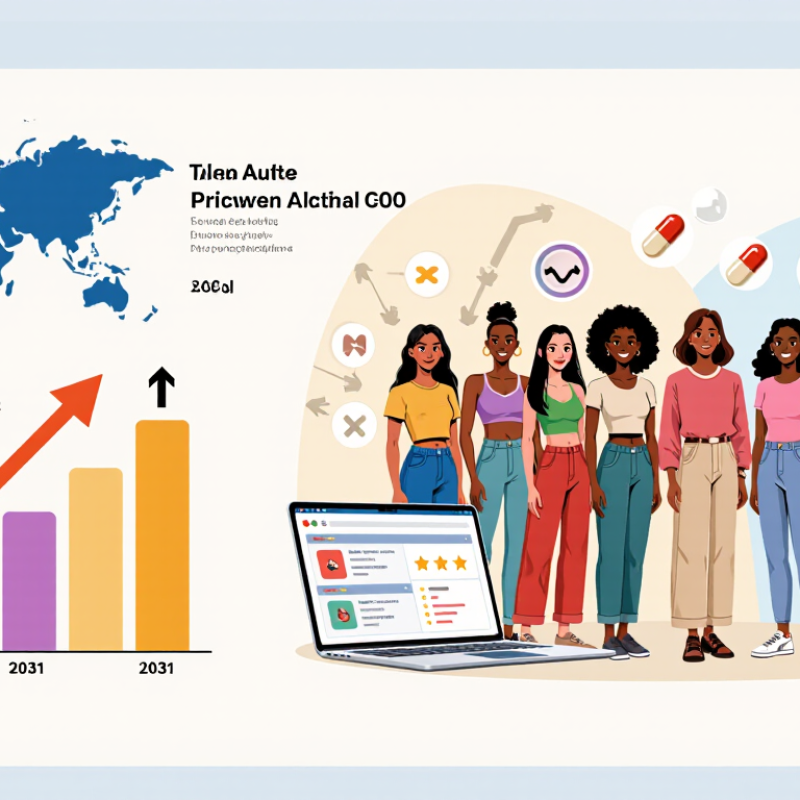
Market data shows strong commercial momentum. Grand View Research estimated the global sex toys market at approximately $35.6 billion in 2023. It also projected continued growth through 2030, supported by e-commerce, product innovation, and improved consumer acceptance. Allied Market Research reported a global market value of about $32.1 billion in 2022. Its estimates also pointed toward substantial expansion by 2031. These figures differ because research firms use different methods, regions, and product categories. Still, the direction is clear.

Shopping has become easier.

Discreet packaging, detailed product descriptions, and customer reviews reduce practical barriers. Women can compare materials, functions, cleaning requirements, and safety guidance before purchasing. Health professionals often emphasize body-safe, non-porous materials and careful use according to manufacturer instructions. However, marketing claims are not always equally reliable. Some advertisements promise unrealistic results or treat every customer as identical. That deserves skepticism. Individual comfort, relationship context, accessibility, and personal preference remain more important than trend charts. The popularity of Sex Toys For Women therefore reflects both cultural change and better access to private information. It also raises a useful question: are consumers receiving enough accurate education alongside the growing number of products?
Why Are Sex Toys For Women So Popular?

Definition and Evolution of Women’s Sex Toys

Why Are Sex Toys For Women So Popular?

Definition and Evolution of Women’s Sex Toys

Women’s sex toys are personal devices designed to support sexual pleasure, body awareness, or intimate communication. They may provide external stimulation, internal stimulation, or gentle massage. Modern designs often use body-safe materials, simple controls, and rechargeable power. Safety still matters more than appearance. Users should check cleaning instructions and stop when discomfort appears.

The history of these products is longer than many people assume. Early versions were often simple, mechanical, and discussed only in private. Later, changing conversations about women’s health made them easier to study and purchase. Today, many adults view them as wellness tools rather than embarrassing objects. Some use them alone, while others include them in partnered intimacy. The shift reflects greater attention to consent, comfort, and personal choice.

Popularity also comes from practical changes. Online education gives users clearer information about anatomy and safe use. Health professionals increasingly recognize sexual wellbeing as part of overall wellbeing. Still, marketing can oversimplify real experiences. A product cannot solve every concern, and pleasure does not follow one fixed pattern. That part is often forgotten. Body responses vary with stress, medication, age, and relationships. Honest guidance should leave room for uncertainty, because even useful advice may not fit everyone.

Key Factors Behind Their Growing Popularity

Why Are Sex Toys For Women So Popular?

Key Factors Behind Their Growing Popularity

Sex toys for women are becoming more visible in everyday conversations about sexual wellness. Many users value private exploration, stress relief, and a better understanding of their bodies. Online education has also reduced embarrassment. People can now find clearer information about pleasure, consent, and safe use. The change feels practical, not merely fashionable. Still, popularity does not mean every product suits every person.

Another factor is product variety. Some designs support external stimulation, while others focus on partnered intimacy or relaxation. Quiet motors, simple controls, and rechargeable features can make personal use easier. Body-safe, non-porous materials are generally easier to clean. However, marketing claims can sound stronger than the evidence. Readers should remain careful and question promises about guaranteed results. Personal comfort matters more than trend-driven expectations.

Tips: Choose a reputable seller and check material details before buying. Read the cleaning instructions carefully. Use suitable lubricant, since some formulas may damage certain materials. Start slowly and stop if you feel pain, numbness, or irritation. Never share a toy without proper cleaning and protection. Store it in a dry, private place. If discomfort continues, speak with a qualified healthcare professional. Conversations about pleasure can be empowering, but they are not always perfect; advice should remain personal, respectful, and open to revision.

Why Are Sex Toys for Women So Popular? — Key Factors Behind Their Growing Popularity

In a nationally representative U.S. survey of women aged 18–60, 52.5% reported having used a vibrator at least once. This high level of adoption reflects several overlapping factors, including personal pleasure, easier sexual exploration, use during partnered intimacy, and greater openness in conversations about sexual wellness.

Source: Herbenick et al., “Prevalence and Characteristics of Vibrator Use by Women in the United States,” Journal of Sexual Medicine. The second value is the complementary share of respondents who did not report lifetime use.

Common Types and Their Intended Uses

Women’s sex toys are popular partly because they offer private, adjustable ways to explore pleasure. The common types have different intended uses. External vibrators are designed for stimulation around the clitoris and vulva. Internal vibrators target vaginal sensation. Some devices combine both purposes. Air-pulse stimulators use rhythmic pressure without direct contact. Pelvic floor trainers support awareness and exercise, but they are not universal medical treatments.

Market data reflects growing interest, although estimates vary. Grand View Research valued the global sexual wellness market at approximately 31.9 billion U.S. dollars in 2023 and projected continued growth through 2030. A 2024 report from Allied Market Research also identified increasing consumer interest in personal wellness devices. These figures include several product categories, not only women’s toys. Reports are estimates, not personal truth.

Material safety and practical design matter more than novelty. Look for non-porous, body-safe materials, clear cleaning instructions, and controls that are easy to use with one hand. Water-based lubricant usually suits many silicone products, but manufacturers’ instructions should guide compatibility. Stop if there is pain, numbness, irritation, or unexpected bleeding. Shared use requires cleaning and appropriate barrier protection. Not every device suits every body. That is often missing from market discussions. Research on long-term outcomes also remains limited, so popularity should not be confused with proven health benefits.

Why Are Sex Toys For Women So Popular? - Common Types and Their Intended Uses

Common Type Primary Intended Use Typical Stimulation or Function Why It Appeals to Many Users Important Use Considerations
External Vibrator External stimulation of the clitoris and surrounding vulvar areas. Provides adjustable vibration through direct or indirect contact. Easy to use, widely available, and suitable for solo or partnered activity. Begin with a low setting and use a compatible lubricant if needed. Clean according to the manufacturer’s instructions.
Internal Vibrator Internal vaginal stimulation, sometimes combined with external stimulation. Produces vibration along the inserted portion and may also stimulate external areas. Offers a different sensation from external-only products and often includes multiple intensity settings. Use only as directed, avoid insertion if there is pain, and choose a design with a flared base for safer removal.
Dual-Action Vibrator Simultaneous external clitoral and internal vaginal stimulation. Uses separate or linked vibrating sections for two areas of stimulation. Combines two commonly requested functions in one product and can reduce the need to reposition the device. Check fit and comfort carefully. A water-based lubricant is generally compatible with most materials, but product instructions take priority.
Bullet Vibrator Focused external stimulation, especially around the clitoris. Compact, concentrated vibration in a small format. Portable, discreet, and often less expensive than larger multi-function devices. Use gentle pressure and avoid prolonged high-intensity contact if the area becomes numb or uncomfortable.
Wand Vibrator Broad external stimulation of the vulva and clitoral area. Strong, wide-area vibration delivered by a rounded head. Large controls and powerful settings can make it accessible for users who prefer external stimulation. Because many wands are powerful, start at the lowest setting and use a barrier or lubrication when appropriate.
Air-Pulse Stimulator External clitoral stimulation without continuous direct contact. Uses rhythmic air pressure or pulses around the clitoris. May feel less intense from direct friction and usually offers several rhythm or intensity options. Position the opening gently over or near the clitoris and stop if the sensation becomes uncomfortable.
Wearable Vibrator Hands-free external stimulation during solo or partnered activity. Vibration from a device held in place by body position, underwear, or a harness. Allows hands-free use and can support shared control in partnered settings. Confirm that the device is secure without creating excessive pressure. Follow charging and cleaning instructions.
Clitoral Suction-Style Toy External clitoral stimulation using pulsating air pressure. Creates a non-contact or light-contact pulsing sensation around the clitoris. Provides a distinct sensation and commonly includes gradual intensity controls. Keep the pressure comfortable and avoid using the device on broken, irritated, or painful skin.
Ben Wa Balls or Kegel Balls Pelvic-floor awareness and, for some users, pelvic-floor exercise. Provide weight and sensory feedback during controlled pelvic-floor contractions. Can be used for body awareness and may help users learn to identify pelvic-floor muscles. They are not suitable for everyone. Use a connected design with a retrieval loop, limit wear time, and stop if there is pain or pressure.
Dildo Vaginal or anal penetration, depending on design and intended use. Provides non-vibrating pressure, fullness, and movement sensations. Available in many shapes, sizes, textures, and materials, allowing users to select preferred sensations. For anal use, choose a toy with a wide flared base. Use sufficient lubricant and never move a toy from anus to vagina without thorough cleaning or a new condom.
Couples’ Vibrator Shared stimulation during partnered sex. Designed to stimulate one or both partners, often with vibration during penetration or external contact. Can encourage communication, experimentation, and shared participation. Discuss comfort and consent before use. Ensure the device fits comfortably and does not cause pressure or pain.
Anal Toy Anal stimulation for users who specifically want it. Provides controlled insertion and pressure with a shape designed for anal use. Offers a purpose-built option with designs intended to improve stability and comfort. A flared base is essential. Use plenty of compatible lubricant, proceed slowly, and stop immediately if there is sharp pain or bleeding.
Remote-Controlled or App-Connected Toy Adjustable stimulation controlled by the user or a partner. Wireless controls may change intensity, patterns, or operating duration. Supports hands-free use, distance-based interaction, and personalized control. Use strong account security where applicable, review privacy settings, and keep the device’s software updated.

Benefits, Safety, and Responsible Use

Why Are Sex Toys For Women So Popular?

For many women, sex toys offer private control over pleasure and exploration. They can help someone understand pressure, rhythm, and comfort without performance expectations.

Some users also report easier orgasm, reduced stress, or improved confidence with partners. These benefits are personal, not guaranteed. Bodies respond differently.

Safety begins with material quality and simple hygiene.

Choose smooth, body-safe materials from a reliable seller. Wash the toy before and after use, following its care instructions. Use compatible lubricant, since some formulas may damage certain surfaces. Do not share toys without a fresh barrier and careful cleaning. Stop immediately if you notice pain, burning, numbness, bleeding, or unusual irritation. Numbing products can hide warning signals. That is a risk.

Responsible use includes consent, privacy, and realistic expectations. A toy should support intimacy, not replace communication or pressure someone into activity. Check batteries, charging parts, and storage areas regularly. Keep the toy dry and away from extreme heat.

Local age, privacy, and purchasing rules may vary, so check them before buying. Persistent discomfort deserves advice from a qualified healthcare professional. Online advice has limits.

Even careful guidance can miss allergies, infections, medication effects, or pelvic-floor concerns. Shame can also delay useful care. Talking openly with a clinician may feel awkward, but it can prevent a small problem from becoming a lasting one.

Cultural Attitudes and Future Market Trends

Women’s intimate products have become more visible as cultural attitudes change. Private pleasure is discussed with less embarrassment, especially in online communities and health education. Yet acceptance is uneven. Some consumers still fear judgment, data misuse, or social labels. Clinicians and sexual-health educators increasingly present these products as optional wellness tools, not necessities.

Reliable guidance should explain body-safe materials, cleaning, comfort, consent, and age-appropriate use without sensational claims. A user may read instructions beside a bathroom sink, checking safety details before opening the package. Small moments like this can build confidence.

Future market growth will likely depend less on novelty and more on trust. Buyers may expect quieter designs, adjustable settings, accessible controls, and clear material documentation. Repairable construction could matter. Environmental concerns are becoming concrete, including recyclable packaging and longer product lifespans. Personalization may expand, but data collection should remain minimal and transparent.

Connected devices raise a difficult question: does convenience justify storing intimate usage data? I am not convinced it always does.
Companies that publish testing standards and explain security limits may earn lasting confidence. Still, market forecasts can overpromise.

Prices, cultural resistance, and unequal access will shape adoption as much as technology. Future shoppers may compare safety records before comparing features.

FAQS

Why are sex toys for women becoming more popular?

They offer private ways to explore pleasure, comfort, rhythm, and pressure. Online education has also reduced embarrassment. Popularity is not proof of effectiveness.

What common types are available?

External vibrators focus on the clitoris and vulva. Internal vibrators target vaginal sensations. Combination devices support both uses. Air-pulse devices create rhythmic pressure without direct contact.

Can sex toys improve sexual confidence?

Some users report better body awareness, easier orgasm, reduced stress, or improved confidence. Results differ between bodies. Comfort comes first.

What materials should users look for?

Choose smooth, non-porous, body-safe materials with clear care instructions. Avoid unclear material descriptions. Marketing claims can sound stronger than evidence.

How should a toy be cleaned?

Wash it before and after use, following its instructions. Dry it completely before storage. A clean, dry drawer works well.

Which lubricant is usually suitable?

Water-based lubricant suits many silicone products. Check the product instructions because formulas can damage certain surfaces. Compatibility matters.

Is sharing a sex toy safe?

Sharing requires thorough cleaning and a fresh barrier between users. Do not share casually. Protection reduces, but does not remove, hygiene concerns.

When should someone stop using a toy?

Stop immediately after pain, burning, numbness, bleeding, or unusual irritation. Numbing products can hide warning signals. Persistent discomfort needs qualified medical advice.

Can sex toys replace communication with a partner?

No. A toy should support intimacy, not create pressure. Discuss consent, comfort, pace, and boundaries openly. Advice is never perfect.

Conclusion

Sex Toys For Women have evolved from discreet, limited-use products into a broad category designed to support personal exploration, intimacy, and sexual wellness. Their growing popularity is linked to greater public discussion about women’s pleasure, improved product design, online accessibility, and changing attitudes toward self-care. Common types include external stimulators, internal devices, couples’ products, and non-electronic accessories, each intended for different preferences and experiences.

When used responsibly, these products may help users understand their bodies, communicate more openly with partners, and enhance intimate experiences. Safety should remain a priority: choose body-safe materials, follow cleaning and storage instructions, use suitable lubrication, avoid sharing without proper protection, and stop if discomfort occurs. Cultural acceptance is gradually increasing, although concerns about privacy, stigma, and education remain. Future market trends are likely to focus on inclusive design, sustainable materials, user safety, and technology that supports personalization while respecting privacy and responsible use.

Oliver

Oliver

Oliver is a seasoned marketing professional with a wealth of expertise in driving brand awareness and engagement. With a deep understanding of our company's product offerings, he consistently delivers high-quality content that enriches our professional blog. His insights not only shed light on......